Popular website types
In today’s digital landscape, the internet hosts an enormous variety of websites, with new ones emerging daily. With an estimated 1.25 billion websites populating the World Wide Web, it can be overwhelming to navigate through them all. What was once a realm dominated by text-based sites for government and corporate use has evolved into a diverse ecosystem where even the smallest businesses have their own online presence. Despite the vast number of sites, they can generally be categorized into ten distinct types, each serving specific purposes and employing different design strategies.
July 12, 2024 19:55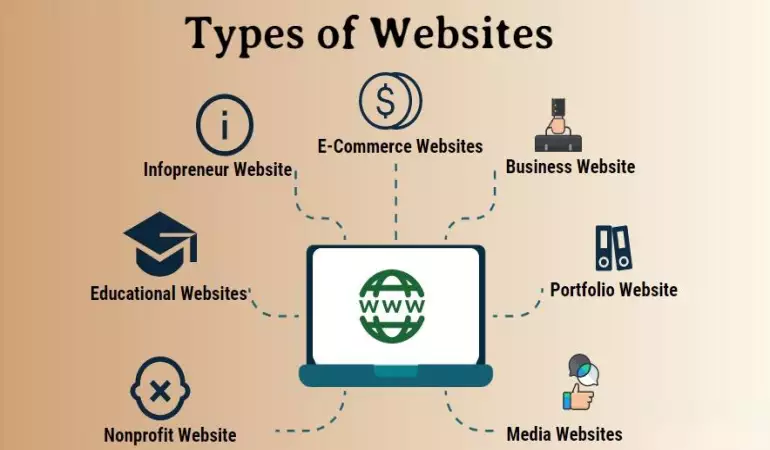
Here’s an in-depth look at these ten popular types of websites:
1. Blogs
Blogs have become a popular medium for individuals and families to document personal experiences, such as weddings, births, or daily life moments. Today, blogging extends beyond personal narratives to include professional and hobbyist content. From sharing recipes to discussing hobbies, blogs are regularly updated and feature archives of older posts.
Blogs are typically built using Content Management Systems (CMS) like WordPress, Joomla, or Drupal, with WordPress being the most prominent due to its flexibility and ease of use. A prime example of a successful blog is Real Mom Recs, which offers aesthetically pleasing content on maternity and parenting.
2. Business/Corporate Websites
Business websites are crucial for companies of all sizes. They should reflect the company's branding—such as logos and colors—and provide detailed information about products and services. A professional online presence is essential for credibility and customer expectations.
Building a business website can be done using tools like WordPress, Wix, or Squarespace, or through custom development for a more tailored approach. The Fool, for instance, exemplifies an effective business website with its clean design and comprehensive stock investment advice.
3. NGO/Non-Profit Websites
Non-profit organizations and NGOs require websites to reach potential donors, share their mission, and showcase their projects. A well-designed site can enhance credibility and facilitate donations. Budget constraints are common for non-profits, so using affordable or free tools like Wix’s freemium version or WordPress can be beneficial.
BritWeb serves as an excellent example of a non-profit website, effectively communicating its mission to amplify the impact of global changemakers.
4. E-Commerce Websites
E-commerce websites facilitate online shopping and are essential for businesses that sell products or services online. These sites require features like inventory management, shopping carts, and payment gateways.
Platforms like Shopify, WooCommerce, and Weebly simplify the process of building an e-commerce site. BeardBrand is a standout example, utilizing Shopify to create a successful online store for grooming products.
5. Educational Websites
Educational websites provide resources for learning and information about educational institutions. They may offer online courses, study materials, or general information about schools and universities.
Platforms like ZenDesk and Freshworks can be useful for creating knowledge bases, while Wix offers built-in educational tools. Academic Earth is a notable example, offering a variety of online courses and university information.
6. Entertainment Websites
Entertainment sites deliver regularly updated content on news, weather, sports, and more. They often generate revenue through ads rather than product sales.
These sites require dynamic content management and are typically built using platforms like WordPress or Dreamweaver. Elle, a leading beauty magazine, exemplifies a sophisticated entertainment website with its minimalistic yet elegant design.
7. Portfolio Websites
Portfolio websites are essential for creative professionals such as photographers, designers, and artists to showcase their work. They function as an online resume, displaying skills and previous projects to attract potential clients.
Platforms like Squarespace and Portfoliobox provide powerful tools for creating stunning portfolios. Yuko Takahashi, an artist and photographer, uses his portfolio site to effectively present his work in a visually captivating manner.
8. Social Media Websites
Social media sites like Facebook and Instagram allow users to share content, connect with others, and engage with various topics. These platforms have a significant impact on how people interact online.
If you have an idea for a new social media platform but are constrained by budget, services like Ning or Social Engine can help you get started with a limited budget. Tumblr is an example of a social media site that offers a diverse range of content through its extensive blog network.
9. Forums
Forums are online communities where users can discuss topics, share information, and connect with others who have similar interests. Forums can be standalone sites or integrated into other websites.
Creating a forum can be done affordably with tools like Wix Forum or WordPress with bbPress. Reddit, known as the "front page of the internet," is a popular forum site with a wide range of discussions and content.
10. Web Portals
Web portals are designed for specific internal or organizational purposes, aggregating information from various sources into a centralized platform. They often feature personalized views and login systems for different users.
Web portals can be developed using platforms like Joomla or Drupal, which offer the necessary modules and components. MSN is a well-known web portal that consolidates various information sources, including emails and search engines.
Conclusion
Understanding the different types of websites can help you make informed decisions about your online presence. Each type of site has specific functions, design principles, and best practices. Whether you’re a startup or an established corporation, choosing the right type of website for your needs is crucial for achieving your goals and reaching your target audience. With the advancement of technology and the availability of various tools, creating and managing a website has never been more accessible.