
The Internet of Behaviors
The internet has fundamentally transformed how people communicate and access information, creating a vast network of interconnected systems. This digital evolution has given rise to numerous innovations, with one of the most intriguing being the Internet of Things (IoT). IoT represents a network of interconnected devices that communicate and share data over the internet, enabling automation and smart functionalities across various applications. Building on the foundation of IoT, the Internet of Behaviors (IoB) extends this concept by leveraging advanced technologies to analyze and influence human behavior. Let’s delve deeper into what IoB entails, how it integrates with IoT, and its implications for the future.
July 12, 2024 20:19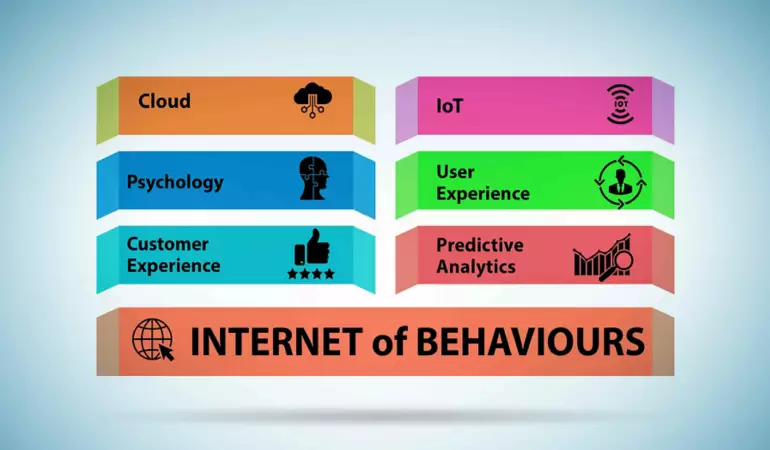
Understanding the Internet of Things (IoT)
The Internet of Things refers to a network of physical devices embedded with sensors, software, and other technologies that enable them to connect and exchange data. Common IoT devices include smartphones, smart home appliances, and industrial machinery. These "smart" objects gather and transmit data wirelessly, creating a web of interconnected systems.
IoT provides the necessary infrastructure for IoB by offering a steady stream of data from various sources, such as sensors and smart devices. This data forms the backbone of IoB, enabling it to analyze and interpret human behavior patterns.
What is the Internet of Behaviors (IoB)?
The Internet of Behaviors takes IoT a step further by utilizing data analytics, artificial intelligence (AI), and other technologies to understand and predict human behavior. IoB focuses on analyzing data related to individuals' behavior, interests, and preferences to inform decision-making and influence actions.
According to Gartner, "Technology is changing the notion of what it means to be human in a digital world." By 2025, it is predicted that over half of the global population will be involved in at least one IoB program, highlighting its growing impact on both commercial and governmental spheres.
IoB aims to capture and interpret data related to various aspects of human behavior, such as interactions with products and services, social connections, and personal preferences. This process is akin to consumer data profiling, where companies use behavioral insights to tailor their strategies and offerings.
Stages of the Internet of Behaviors
Data Gathering: Data is collected from various platforms, including social media, websites, and IoT devices. For instance, websites can track user visits and interactions, providing a wealth of information about user preferences and behavior.
Data Analysis: Collected data is analyzed to identify patterns and trends. This analysis helps businesses make data-driven decisions, such as crafting targeted marketing campaigns or personalizing user experiences.
Behavioral Insight Processing: After analysis, insights are generated regarding human behavior. These insights help businesses create detailed profiles and tailor their offerings to better meet individual needs and preferences.
Benefits of the Internet of Behaviors
Data-Driven Decisions: IoB enables businesses to leverage behavioral data to develop growth-oriented strategies. For example, companies can create personalized marketing campaigns or design products based on users' past behaviors and preferences.
Personalized Services: By understanding customer behavior, businesses can offer more tailored services and products. This personalization enhances user experience and can lead to increased sales and customer satisfaction.
Environmental Benefits: IoB can indirectly promote environmental sustainability. For example, smart pantries track grocery usage to reduce food waste, highlighting the potential for IoB to contribute to environmental conservation.
Concerns Related to the Internet of Behaviors
Privacy: There are significant concerns about data privacy and consent. Users may feel uncomfortable with the extent of data collection and the potential misuse of their personal information.
Cyber Security: The risk of data breaches is a major concern. Sensitive behavioral data could be targeted by cybercriminals, leading to potential phishing attacks and a loss of trust in companies.
Inaccurate Behavioral Analysis: Reliable data sources are crucial for accurate behavioral analysis. Inaccurate or unreliable data can lead to poor decision-making and ethical concerns.
Loss of Trust: Excessive data collection and perceived intrusiveness can erode user trust. Organizations must ensure transparent data practices to maintain user confidence.
Applications of the Internet of Behaviors
Healthcare: IoB can enhance healthcare by monitoring patient activities and personalizing treatment plans. Wearable devices track vital signs and physical activities, aiding in real-time health monitoring and personalized care.
Marketing: Businesses use IoB to understand consumer behavior, improving marketing strategies and customer engagement. Analyzing user interactions helps tailor promotions and product recommendations.
Education: IoB can inform educational practices by analyzing student behavior and performance. This data helps educators customize teaching methods and identify students in need of additional support.
Transportation: IoB applications in transportation can analyze driver behavior to improve road safety and reduce accidents. Predictive analysis helps insurance companies understand driving patterns and assess risks.
Smart Homes: In smart homes, IoB integrates with IoT to enhance living experiences. Devices monitor daily routines and health, offering personalized support and improving overall well-being.
Summary
The Internet of Behaviors represents a significant advancement in the digital realm, extending the capabilities of IoT to understand and influence human behavior. While IoB offers numerous benefits, such as personalized services and data-driven decision-making, it also raises important concerns about privacy, security, and ethical implications.
As IoB continues to evolve, it will play an increasingly prominent role across various industries, driving innovations and shaping the future of user experiences. Balancing the advantages of IoB with responsible data practices will be crucial in ensuring its positive impact on society.